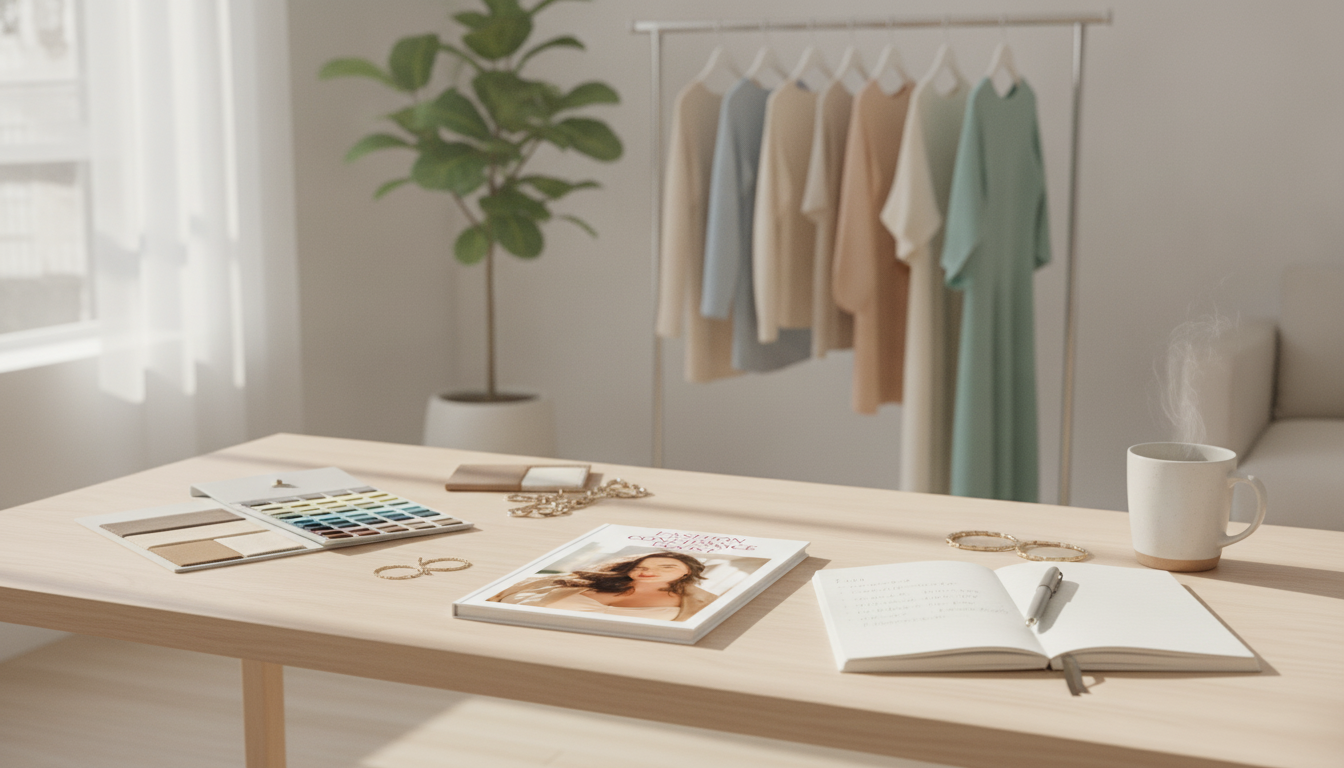
Confidence-friendly style is less about chasing trends and more about building repeatable outfits that support how life actually feels day to day. When getting dressed feels simple, comfortable, and aligned with who you are, your posture changes, your energy steadies, and you stop “managing” your clothes. The goal isn’t a perfect wardrobe—it’s a reliable one: pieces that move with you, colors that support your mood, and outfit formulas you can repeat without overthinking.
Confidence dressing uses clothing as a support tool. It reduces decision fatigue, helps you feel prepared, and aligns outward style with inner identity—so you’re not performing as someone else. A helpful lens is “enclothed cognition,” the idea that what you wear can shape how you feel and act in the moment (Journal of Experimental Social Psychology).
Fit is the quickest way to feel instantly more “yourself” in an outfit. Start by auditing friction points: waistbands that pinch, sleeves that restrict, fabrics that itch, or shoes that hurt by hour one. If something requires constant adjusting, it’s quietly draining your confidence.
| Item | Confidence signal | Easy fix |
|---|---|---|
| Pants/jeans | No pulling or waistband digging; clean line through hips | Try mid-rise, add stretch, or size for hips and tailor waist |
| Tops | Shoulder seam sits correctly; no gaping at chest | Try different necklines, add a cami layer, or choose a better shoulder fit |
| Layers | Moves easily; doesn’t bunch in the arms | Choose softer knits, less bulky linings, or size up in outer layers |
| Shoes | Stable stride; no pain by hour one | Swap to supportive insoles, adjust heel height, or choose wider toe box |
If wide-leg silhouettes feel empowering, a polished option to anchor outfits is the mid-waist pleated wide leg casual pants—easy to pair with fitted tees, a tucked button-down, or a cropped jacket for balance.
A capsule works best when it matches your calendar, not an imaginary lifestyle. Map your week first: workdays, errands, workouts, school pickup, dinners, and downtime. Then choose pieces that can repeat across those realities.
For cozy days that still feel intentional, the winter velvet hoodie with paint splash design for women can act like a statement layer—especially when paired with clean-bottom silhouettes and simple shoes.
Accessories are the fastest way to create continuity. Instead of “more,” aim for “repeatable.” One signature category can become your visual anchor, even when the outfit is simple.
Color can act like a mood dial: energizing, soothing, grounding, or attention-grabbing. It’s not one-size-fits-all, and context matters—use it as a personal experiment rather than a rulebook. A helpful overview is available from Verywell Mind’s color psychology guide.
If you like playful color without committing to a full look, the chic off-shoulder fruit print t-shirt for women can be a low-pressure way to test a brighter vibe with familiar denim or neutral pants.
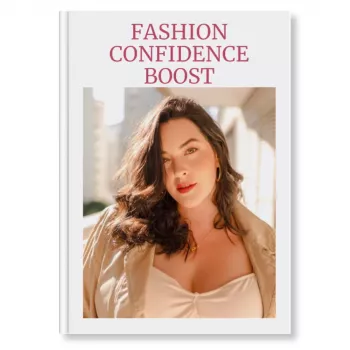
Confidence grows when style becomes a habit, not a daily debate. Use prompts that turn decisions into systems: closet edits, outfit tracking, and repeatable formulas. If you want a guided, step-by-step approach to capsules, accessories, and confidence-forward color experiments, the Fashion Confidence Boost digital eBook guide can help you move from “random outfits” to a wardrobe that supports you consistently.
Confidence also has a practical definition: trust in your own abilities and judgment. When your wardrobe reduces friction and supports your day, it’s easier to show up with that steadiness (see the APA Dictionary of Psychology definition of self-confidence).
Start with fit and comfort, then build 2–3 repeatable outfit formulas from what you already own. Add one “third piece” (like a jacket) and one signature accessory for quick polish.
Choose a small set of versatile basics in 2–3 neutrals, add 1–2 accent colors, and limit your choices for one week. Notice what you reach for repeatedly and use that as your capsule foundation.
Color can influence mood and perceived presence, but it varies by person and situation. It works best as a simple experiment, especially with colors worn near your face.








Leave a comment