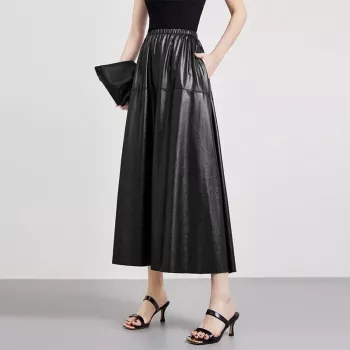
No. PU leather (polyurethane leather) is a synthetic material designed to look and feel like leather, but it’s not made from animal hide. Because “genuine leather” refers to real hide that has been tanned and finished, PU leather doesn’t qualify under that definition.
PU leather is typically made by coating a fabric backing (often polyester, cotton, or microfiber) with a layer of polyurethane. Manufacturers can emboss it with a grain pattern and add pigments to mimic the appearance of real leather. Even when PU is very convincing, it’s still plastic-based rather than hide-based, so it’s categorized as faux leather, vegan leather, or synthetic leather.
Product labels and descriptions are the quickest clue. Terms like “PU leather,” “polyurethane,” “vegan leather,” “faux leather,” or “synthetic leather” indicate it’s not genuine leather. Real leather is often described as “genuine leather,” “100% leather,” “full-grain,” “top-grain,” or “split leather.” If a listing is vague and only says “leather” without details, check the materials section or ask the seller for confirmation.
Yes. PU leather is usually more affordable and can be easier to wipe clean. It’s also a common choice for shoppers who prefer non-animal materials. The trade-off is that it generally won’t develop the same patina as real leather, and depending on quality and use, it may peel or crack over time.
For a deeper breakdown of labeling, materials, and how PU compares to real leather, visit https://bellaarea.shop/is-pu-leather-considered-genuine-leather/.
For PU Leather vs Genuine Leather: What It Really Means, the best answer depends on fit, material, care instructions, and how the product will be used day to day.
PU leather is a plastic-based coating applied to fabric, while real leather is made from animal hide. Real leather typically ages with a patina, while PU leather is more likely to show wear through peeling or cracking.










Leave a comment