
AI can turn scattered inspiration, a crowded closet, and a busy schedule into clear, wearable outfit plans. The most useful approach is practical: describe what you actually do each week, what feels good on your body, and what you refuse to wear—then let AI generate repeatable outfit formulas you can refine over time. The result isn’t a “perfect” style identity; it’s a smoother routine, fewer outfit dead-ends, and smarter additions when you truly need something new.
At its best, AI acts like a fast stylist’s assistant. It can translate your preferences into outfit “systems” (silhouettes, color families, proportions, and occasion-specific options), and it can combine what you already own when you provide a quick inventory plus constraints like weather, dress code, and comfort needs.
It’s also strong at pattern recognition: if you keep repeating “I don’t have an easy layer” or “my shoes never match,” AI can spot wardrobe gaps and help prioritize what would unlock more outfits (missing neutral tops, a versatile jacket, or a comfortable shoe category).
Where AI falls short: it depends on accurate inputs and can echo biased style “norms.” It won’t replace tailoring, true fit checks, or fabric feel—especially for sensory needs. Treat suggestions as drafts. The best results come from iteration: keep what works, reject what doesn’t, and feed those decisions into the next request.
For a structured, step-by-step approach, the AI-Powered Style Tips digital guide is an easy way to turn these ideas into a repeatable routine.
A style profile is a short description that keeps recommendations grounded in reality. Start with three use-cases (everyday, work/meetings, and social/weekend). That single step prevents AI from styling you for a fantasy life.
Next, choose 3–5 style descriptors (minimal, sporty, romantic, artsy, polished, relaxed) and add two “never” items (like low-rise jeans or scratchy knits). Then add constraints: climate, commuting, movement needs, heel tolerance, layering requirements, and sensory preferences.
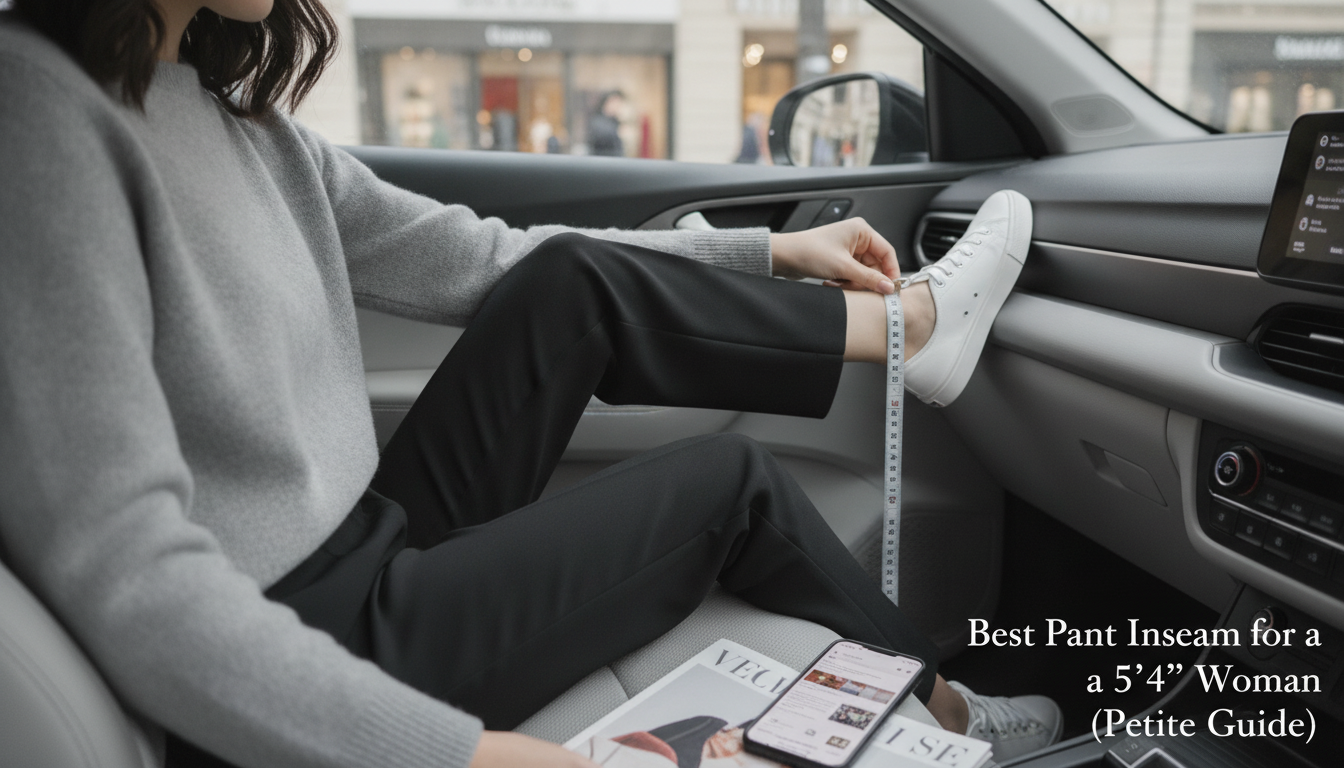
Finally, collect 6–12 reference looks from your existing sources. Instead of listing brands, note what you like: the shape (cropped jacket over wide-leg pants), the palette (warm neutrals with one bright accent), and the vibe (clean, soft, or edgy). Add fit notes that change everything—rise, inseam range, neckline comfort, sleeve length, and common sizing issues.
| Profile Item | Examples to Fill In |
|---|---|
| Top 3 occasions | Office, errands, dinners |
| 3–5 style words | Clean, relaxed, modern |
| Color preferences | Warm neutrals + one accent color |
| Fit priorities | High-rise, defined waist, room in hips |
| Comfort rules | No itchy fabrics, sneakers-friendly |
| Do-not-wear list | Low-rise, stiff collars |
Start with inputs, not shopping. List 15–25 items you wear regularly (tops, bottoms, layers, shoes) plus 3 accessories you actually reach for. Then ask AI for outfit “systems”: 5–10 formulas you can repeat, such as “wide-leg pants + fitted top + cropped layer” or “straight-leg bottom + relaxed shirt + structured jacket.”
If you want a ready-to-style anchor piece, start with Mid-waist pleated wide leg casual pants. For “wide-leg polish,” pair with a fitted tee or bodysuit, add a cropped layer, and keep shoes sleek to elongate the leg line. Ask AI for three variants: daytime casual, dinner-ready, and travel-friendly with comfortable shoes.
For an elevated cozy look, the Winter velvet hoodie with paint splash design works well with straight or wide-leg bottoms. Ask AI for a monochrome or near-monochrome palette to keep it clean, then add a long coat or structured jacket for contrast.
If your style leans playful, the Chic off-shoulder fruit print T-shirt can anchor simple bottoms. Ask AI to echo one color from the print in your accessories (earrings, bag, or sneakers) so the outfit looks cohesive rather than busy.
For a more responsible closet, request sustainability filters: secondhand-friendly search keywords, fabric preferences, and care guidance to extend garment life. Helpful guardrails for AI systems and their risks are outlined in the NIST AI Risk Management Framework and the OECD AI Principles.
AI outputs are suggestions, not rules. Final choices should reflect comfort, culture, workplace norms, and your boundaries. If you’re shopping and comparing materials, it also helps to understand textile labels; the FTC’s guide to textile fiber product information can make fabric claims easier to evaluate.
Share your top occasions, climate, comfort rules, fit preferences, and a short closet inventory, plus a few reference looks. Include a “do-not-wear” list so suggestions don’t drift into items you already know won’t work.
Yes. Provide a list or photos of what you own, your preferred palette, and what you need to wear in a typical week, then ask for outfit formulas and a gap analysis so any purchases are minimal and targeted.
Update it after meaningful changes (season shifts, fit changes, new job requirements, repeated outfit failures) or do a quarterly refresh using notes from what you actually wore.










Leave a comment